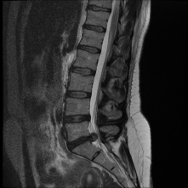
One of the most common assumptions I see in clinic is this.
A scan shows something abnormal, so that must be the cause of the pain.
It sounds logical. But in many cases, it is not correct.
Understanding this properly can change how you approach injury, recovery, and treatment decisions.
Abnormal findings are often normal
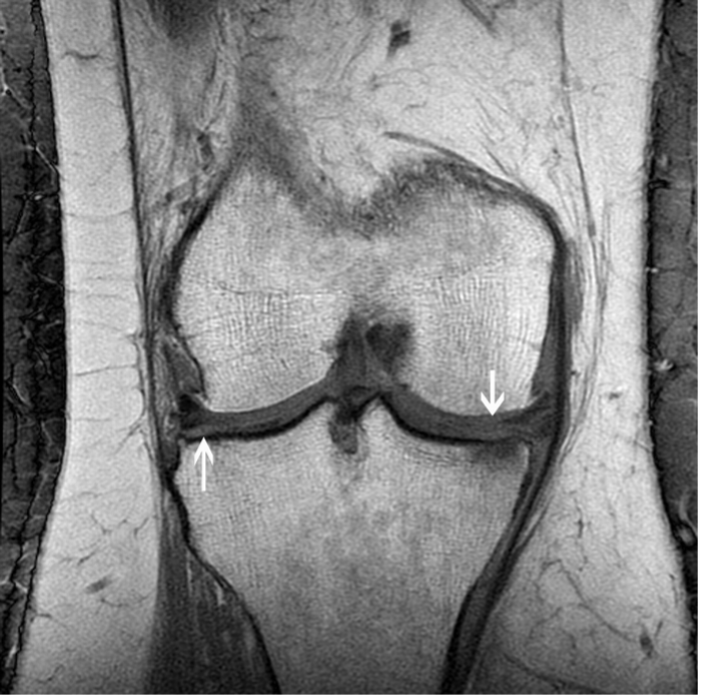
Modern imaging is very sensitive. It can pick up small structural changes in tissues with great detail.
The problem is that many of these “abnormalities” are also found in people who have no pain at all.
Research has repeatedly shown this across different parts of the body.
In the spine, disc bulges and degenerative changes are common even in people with no back pain.
In the knee, meniscus changes are frequently seen in people who have no symptoms.
In the shoulder, tendon changes can be present without any loss of function or discomfort.
In the hip, labral changes are often picked up in active individuals who feel completely fine.
These findings are part of how the body adapts over time. They are not always signs of injury in the way people assume.
Why this matters in real life
The issue arises when someone develops pain and then has a scan.
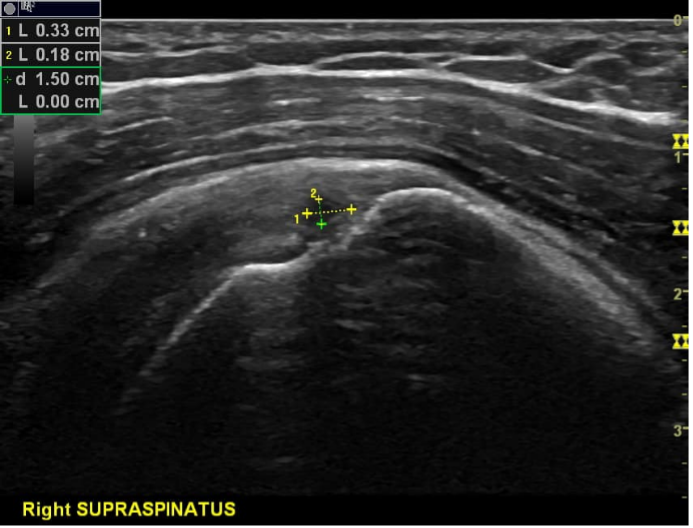
The scan report lists a number of findings, and it is very easy to link the two together. Pain on one side, abnormality on the report, and the conclusion feels obvious.
But this is where things can become misleading.
Some of those findings may have been there for years. They may not be contributing to the current symptoms at all.
If we assume the scan is the answer without questioning it, we risk focusing on the wrong problem.
The importance of clinical context
A good diagnosis is not made from a scan alone.
It starts with understanding the history.
How did the pain begin
What triggers it
What makes it better or worse
How it responds to different types of load
From there, examination helps build a clearer picture. It allows us to test specific movements, assess strength, and identify which structures are likely to be involved.
Imaging then becomes a tool that supports that process.
Used in the right way, it can confirm what we already suspect, rule out more serious pathology, or help guide treatment decisions.
Used in isolation, it can lead to confusion.
When scans are genuinely helpful
This is not to say that scans are unhelpful. Far from it.
They are essential in certain situations.
They can identify significant structural injuries
They can rule out more serious causes of pain
They can guide interventions such as injections or surgical decisions
But their value comes from how they are interpreted, not just from what they show.
The risk of treating the scan
One of the biggest pitfalls is shifting focus away from the person and onto the image.
If treatment is based purely on what the scan shows, it can lead to unnecessary interventions or poorly targeted rehabilitation.
For example, trying to “fix” a tendon appearance on a scan without addressing load management, strength, and function is unlikely to lead to meaningful improvement.
Pain is not just a structural issue.
It is influenced by how tissues are loaded, how sensitive they are, how well the body is recovering, and how it adapts over time.
A scan cannot capture all of that.
A more balanced way to think about imaging
The most useful way to view a scan is as one piece of a larger puzzle.
It provides information about structure.
It does not fully explain function.
And it does not always explain pain.
When imaging is combined with a proper clinical assessment, it becomes far more powerful.
It helps guide decisions that are specific, appropriate, and grounded in what is actually driving symptoms.
Bottom line
Scans are valuable, but they are not definitive on their own.
An abnormal finding does not automatically mean it is the source of pain.
The key is understanding the full picture. The history, the examination, the way symptoms behave, and then the imaging. That is what leads to the right diagnosis and the right treatment plan.