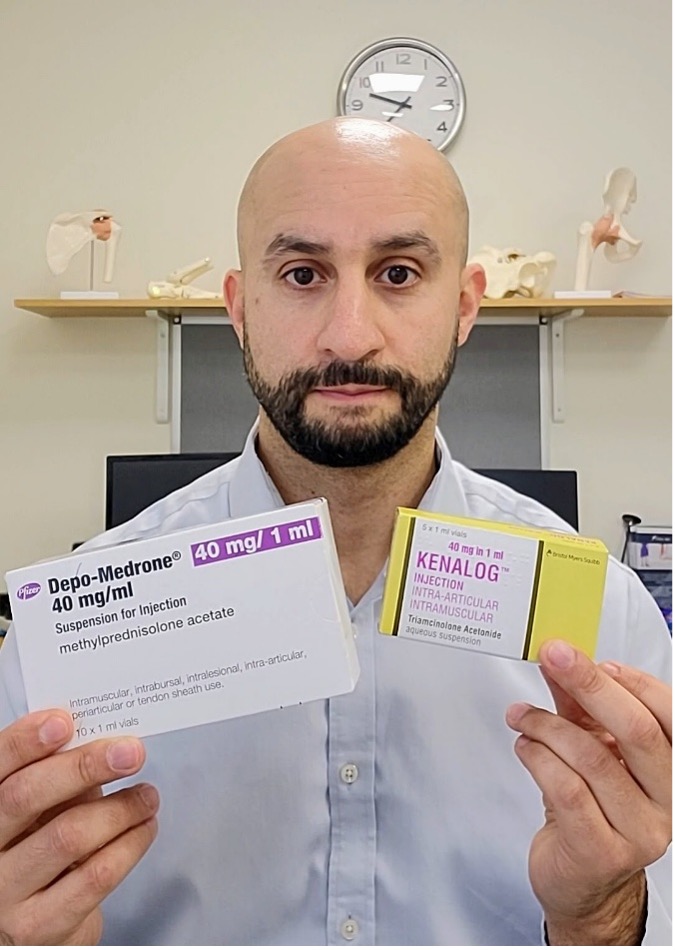
Steroid injections are one of the most commonly performed procedures in musculoskeletal medicine.
They can provide rapid pain relief, settle inflammation and help people get moving again.
For the right patient, at the right time, they can be extremely effective.
But they are not a cure for every painful joint, tendon, or injury.
In fact, one of the biggest misconceptions I encounter in clinic is the belief that a steroid injection is simply the next step whenever pain persists.
The reality is more nuanced than that.
What is a steroid injection?
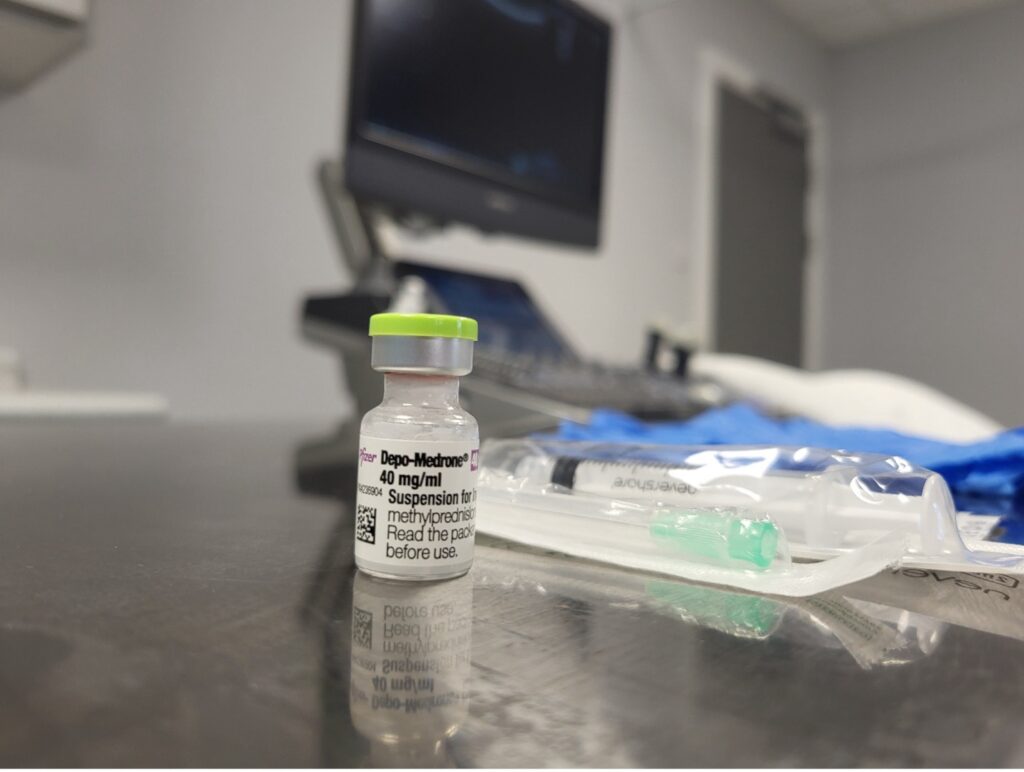
A steroid injection contains a powerful anti inflammatory medication that is delivered directly to the area causing symptoms.
The aim is to reduce inflammation and, in turn, reduce pain.
Unlike painkillers taken by mouth, the medication is targeted to a specific structure such as a joint, bursa, tendon sheath, or around a nerve.
When inflammation is a significant contributor to symptoms, the response can sometimes be dramatic.
When do steroid injections work best?
Steroid injections tend to work best when inflammation is genuinely driving the problem.
Examples include:
Inflamed arthritic joints
Frozen shoulder
Synovitis, where the lining of a joint becomes inflamed
Certain forms of bursitis
Some tendon sheath inflammations such as trigger finger
Painful flare ups that are preventing rehabilitation from progressing
In these situations, reducing inflammation can create an opportunity to restore movement, improve function and allow rehabilitation to move forward.
The key point is that the steroid is treating inflammation, not repairing damaged tissue.
When are steroid injections less helpful?
Not every painful condition is inflammatory.
Many musculoskeletal problems are driven by factors such as tissue overload, reduced strength, deconditioning, training errors, or age related tissue changes.
Examples might include:
Some longstanding tendon problems
Pain related to reduced capacity and strength
Recurrent injuries caused by poor load management
Biomechanical issues that have never been addressed
In these situations, a steroid injection may reduce symptoms temporarily but it does not solve the underlying problem.
If nothing else changes, the pain often returns.
This is one reason why some people find themselves having repeated injections over the years without achieving a lasting solution.
What are the risks?
Steroid injections are generally safe when performed appropriately, but they are not risk free.
Potential side effects include:
Temporary worsening of pain after the injection
Skin thinning or colour change around the injection site
Temporary increases in blood glucose levels, particularly in people with diabetes
Infection, which is rare but potentially serious
Possible tissue effects with repeated injections
There is also a less obvious risk.
If pain settles quickly, it can be tempting to return to activity too aggressively and ignore the work needed to rebuild strength and capacity.
The injection may reduce symptoms, but it does not automatically make the tissue stronger.
What does good practice look like?
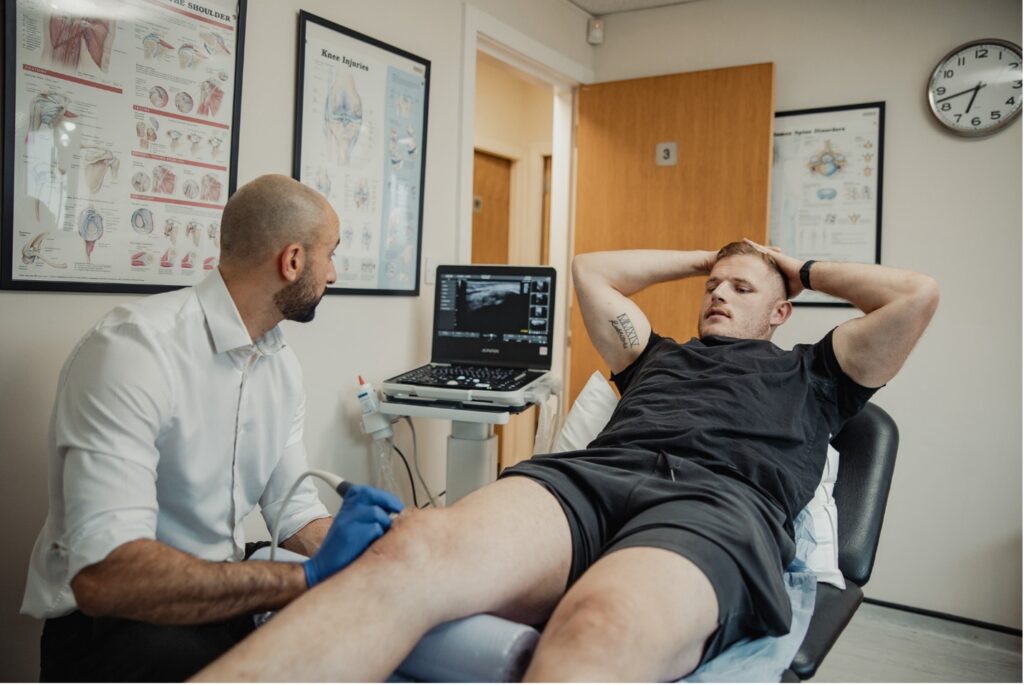
A steroid injection should never be viewed in isolation.
Before considering an injection, I believe there should be:
A clear diagnosis
A clear reason why inflammation is thought to be contributing
A discussion about expected benefits and limitations
A rehabilitation plan after the procedure
A clear understanding of what success looks like
The injection is often just one part of a larger treatment strategy.
Are steroid injections overused?
In my opinion, sometimes they are.
Not because steroid itself is a bad treatment, but because it is occasionally used as a substitute for addressing the real driver of symptoms.
A successful outcome is not simply getting pain relief for a few weeks.
A successful outcome is helping somebody return to the activities they value and keeping them there.
Sometimes a steroid injection helps achieve that.
Sometimes another approach is more appropriate.
The challenge is knowing the difference.
Bottom line
Steroid injections can be extremely effective when inflammation is the main cause of pain.
They can reduce symptoms quickly and create an opportunity for recovery.
But they are not a cure for every musculoskeletal problem, and they work best when they form part of a wider treatment plan.
The most important question is not whether a steroid injection is available.
It is whether it is the right treatment for your diagnosis, your symptoms, and your goals.