Radial-sided wrist pain is common, and De Quervain’s tenosynovitis is often the first diagnosis people hear. The problem is that “De Quervain’s” gets used as a label for almost any pain near the base of the thumb. Clinically it can be suggestive, but ultrasound is what helps confirm whether it truly is De Quervain’s—or something else.
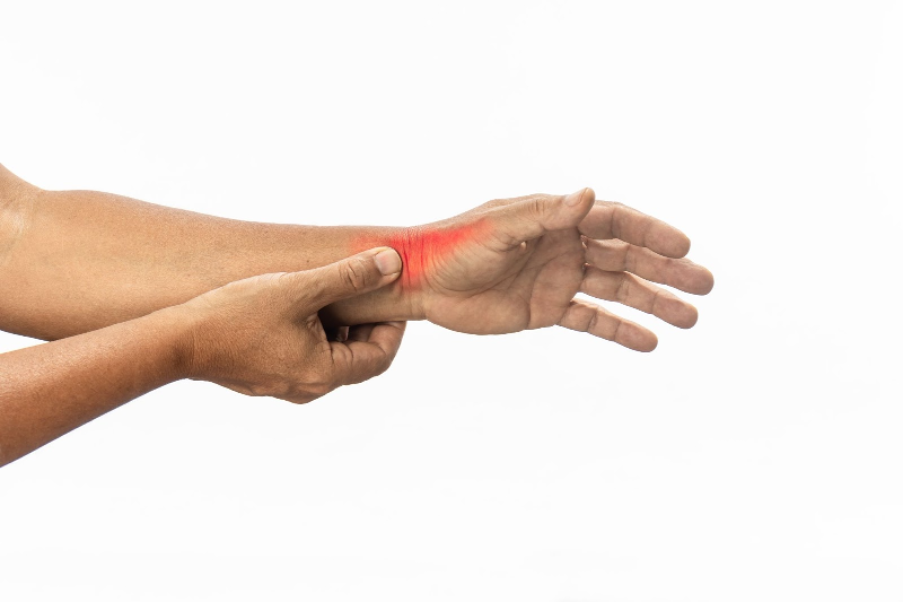
De Quervain’s tenosynovitis involves inflammation and thickening around the tendons that run through the first dorsal compartment of the wrist: the abductor pollicis longus (APL) and extensor pollicis brevis (EPB). When the tendon sheath is irritated, friction increases with thumb and wrist movement, producing pain and sometimes swelling.
Why this gets mislabelled
A lot of conditions can cause pain over the radial wrist, including:
- Thumb carpometacarpal (CMC) joint arthritis
- Intersection syndrome (more dorsal/forearm-based)
- Superficial radial nerve irritation (Wartenberg’s syndrome)
- Tendon irritation outside the first dorsal compartment
- Referred pain from the thumb or wrist joints
Because symptoms overlap, treatment can get started (splints, rest, “tendinitis” advice) without confirming the actual diagnosis. If the ultrasound findings aren’t there, it isn’t De Quervain’s—so pushing the wrong treatment plan wastes time.
The clinical clue: pain over the first dorsal compartment
Typical features include:
- Pain at the radial side of the wrist near the base of the thumb
- Pain provoked by gripping, lifting, wringing, or repetitive thumb use
- Localised tenderness directly over the first dorsal compartment
- Sometimes visible swelling at the radial styloid region
- Symptoms often linked to repetitive activity or a recent increase in hand use
Clinical tests (like Finkelstein-type maneuvers) can help, but they’re not specific enough to be the final answer.
How ultrasound helps (and what makes it “better” than a routine scan)
Ultrasound is useful because it can directly visualise the tendon sheath and confirm whether true tenosynovitis is present.
Key ultrasound findings that support De Quervain’s include:
- Thickening of the tendon sheath in the first dorsal compartment
- Fluid around the APL and/or EPB tendons (tenosynovitis)
- Hypervascularity on Doppler (in active inflammation)
- Tendon sheath narrowing/stenosis (in more chronic cases)
- Pain reproduction when the probe compresses the compartment (sonopalpation)
A common reason symptoms persist is an anatomical variation: some people have a separate EPB sub-compartment. If that’s present and not recognised, splints and even injections can be less effective unless treatment targets the correct compartment.
The simple rule: no sheath thickening and no tenosynovitis findings = be cautious calling it De Quervain’s. Look for the real cause.
What happens next if De Quervain’s is confirmed?
Treatment depends on severity, duration, and what triggered it. Management usually starts conservatively:
- Activity modification (identify and reduce the repetitive trigger)
- Splinting (especially during aggravating tasks and early flare-ups)
- Ergonomic changes (grip, lifting technique, tool adjustments)
- Guided rehab focusing on gradual loading and tendon capacity
If symptoms don’t settle, steroid injection can be effective, particularly when ultrasound confirms active tenosynovitis and helps target the correct compartment. Ultrasound guidance can also improve accuracy when there are anatomical variations.
Bottom line
De Quervain’s is common—but it’s also commonly overdiagnosed. If radial wrist pain is being labelled as De Quervain’s, ultrasound should show first dorsal compartment tenosynovitis (sheath thickening and/or fluid around APL/EPB). If those findings aren’t present, it’s time to stop treating the label and reassess the true source of pain.